












Complete Bream Fishing Guide Australia
Date Posted: 2 June 2026
How to Catch Bream in Australia
Bream are one of Australia's most popular sportfish and are found in estuaries, rivers, canals, harbours and coastal systems around the country. Their willingness to eat lures, challenging fights on light tackle and year-round availability make them a favourite target for anglers of all experience levels.
Whether you're fishing from the bank, kayak or boat, understanding where bream hold and how they feed can dramatically improve your catch rates. This guide covers everything you need to know about catching Australian bream, from choosing the right tackle to finding productive fishing locations throughout the seasons.
What Species of Bream Are Found in Australia?
Yellowfin Bream
Yellowfin bream are the most commonly targeted bream species along Australia's east coast. They inhabit estuaries, rivers, canals and coastal systems from Queensland through to Victoria and are highly regarded by lure anglers due to their aggressive strikes and willingness to hold tight to structure.
Black Bream
Black bream are most commonly associated with southern Australian estuaries throughout Victoria, Tasmania and South Australia. In New South Wales they are primarily found in a limited number of southern estuaries and coastal lake systems, with their distribution becoming far less common further north.
Black bream favour estuarine environments and are highly regarded by anglers for their cautious feeding behaviour and strong fighting ability on light tackle.
Tarwhine
Tarwhine are often mistaken for bream due to their similar appearance. They can be identified by the distinctive yellow stripes running along their body and are commonly encountered around beaches, estuaries and shallow coastal waters.
Where to Find Bream
Bream are structure-oriented fish that spend much of their lives around areas offering protection and feeding opportunities. Productive locations include:
- Oyster leases
- Bridge pylons
- Rock walls
- Marinas
- Boat hulls
- Fallen timber
- Mangrove edges
- Canal systems
- Deep pontoons
- Breakwalls
- Floating pontoons
- Boat racks
- Moorings
- Rack systems
- Oyster infrastructure
When targeting bream, focus on areas where structure intersects with current flow. These locations often provide ambush points where fish can feed efficiently while remaining protected.
Understanding Bream Behaviour
Bream are opportunistic feeders with a varied diet that changes depending on season, location and available food sources.
Common prey includes:
- Prawns
- Crabs
- Worms
- Small baitfish
- Mussels
- Shellfish
- Aquatic insects
One of the biggest keys to consistently catching bream is matching your presentation to the food source they are actively feeding on at the time.
Best Time of Year to Catch Bream
Summer
Summer often provides excellent surface lure fishing opportunities. Bream actively feed around shallow flats, weed beds and mangrove edges during the cooler parts of the day.
Autumn
Autumn delivers some of the most consistent bream fishing of the year. Fish can be found throughout estuary systems and often feed aggressively ahead of winter.
Winter
Winter is renowned for producing larger fish as spawning migrations occur. Bream often school in deeper channels, river mouths and estuary entrances.
Spring
As water temperatures rise, fish begin moving back into upstream systems where they actively feed around structure and shallow water habitats.
Best Tides for Bream Fishing
Run-In Tide
As clean water pushes into an estuary, bream often move onto flats and shallow feeding areas to hunt prawns, crabs and baitfish.
Run-Out Tide
The outgoing tide concentrates bait and food sources along drains, drop-offs and structure, making these prime locations for targeting feeding fish.
Every system fishes differently, so keeping records of successful tides can significantly improve future sessions.
Best Lures for Bream
Crankbaits
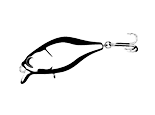
Crankbaits remain one of the most effective lure styles for targeting structure-holding bream. Shallow and deep-diving models can be used to cover different water depths and structure types.
Soft Plastics
Soft plastics are versatile and effective year-round. Prawn imitations, grubs, minnows and creature baits all consistently produce quality fish.
Surface Lures
Surface fishing for bream is one of the most exciting techniques available. Summer mornings and calm conditions often produce spectacular visual strikes.
Vibration Lures and Blades
These lures excel when fishing deeper water, channels and winter schooling fish. Their compact profile and strong vibration make them highly effective search tools.
Best Bream Tackle Setup
Rod
A quality spin rod between 7'0" and 7'6" is a popular choice for bream fishing, but the ideal taper depends largely on the lure being used. Crankbait anglers often prefer more moderate tapers that help keep fish pinned during the fight, while anglers fishing soft plastics, vibes and finesse presentations may favour faster tapers for improved sensitivity and hook-setting power. Many premium bream-specific rods are designed around particular lure styles and techniques.
Reel
A 1000 to 2500 size spinning reel provides the perfect balance of casting performance, drag capability and finesse.
Line
Most anglers use PE 0.3 to PE 0.8 braided line paired with a 3lb to 10lb fluorocarbon leader depending on the structure being targeted. Straight-through fluorocarbon is also extremely popular in tournament bream fishing, particularly when maximum stealth and lure control are required. Fluorocarbon line in the 2lb to 6lb range is commonly used for finesse presentations in clear water and heavily pressured fisheries.
Best Bream Fishing Techniques
Casting Structure
Accurate casting is one of the most important skills in bream fishing. Fish often hold extremely tight to cover, requiring precise lure placement to trigger bites.
Flat Fishing
Shallow flats, sand banks and weed edges can be highly productive, particularly during warmer months when fish move into skinny water to feed.
Deep Water Fishing
During winter and spawning periods, fish often school in deeper channels and basins where soft plastics, vibes and blades become highly effective.
Common Bream Fishing Mistakes
Using Leaders That Are Too Heavy
Heavy leaders can reduce lure action and often result in fewer bites, especially in clear water conditions.
Retrieving Too Fast
Bream frequently respond better to slower presentations that allow them time to inspect and commit to a lure.
Ignoring Structure
Most quality bream are caught close to cover. Structure should always be a primary focus when locating fish.
Failing to Adapt
Successful anglers constantly adjust lure style, retrieve speed, location and leader size to match changing conditions.
Recommended Bream Lures
- OSP Dunk 48 SP Suspend
- Atomic Hardz K9 Walker
- Atomic Hardz Bream Crank 38 Double Deep
- Megabass SR-X Griffon
- Jackall Chubby 38
- ZMan GrubZ 2.5"
- Ecogear Breams Prawns
- Cranka Crabs
- Ecogear ZX40
- Atomic Hardz Crank 38 Deep
- OSP Bent Minnow 76F
- Jackall Squirrel 61SP
Recommended Bream Rods and Reels
Popular Rod Options
- Samurai Reaction 201 Spin Rod
- Shimano Zodias 264L Rod
- Daiwa 23 Infeet S Rods
- Daiwa 23 Infeet EX Rods
- Daiwa 23 Infeet Z Rods
- Daiwa 26 Infeet SK Rods
- Millerods Crank Freak ULS 742
- Millerods Twitch Freak LT 610 Rod
- Millerods Blade Freak ULS 732 Rod
- Millerods Grub Freak LT 732 Rod
Popular Reel Options
Final Thoughts
Bream are one of Australia's most accessible and rewarding sportfish. Their widespread distribution, willingness to take lures and challenging nature make them an ideal target for anglers of all skill levels.
By focusing on structure, understanding seasonal movements and using appropriate tackle, anglers can consistently improve their catch rates and enjoy some of Australia's best estuary fishing.
Frequently Asked Questions
What is the best bait for bream?
Live prawns, yabbies, worms and nippers are among the most effective natural baits for targeting bream.
What is the best lure colour for bream?
Natural colours generally work best in clear water, while brighter colours can perform well in dirty or stained conditions.
What line should I use for bream fishing?
PE 0.3 to PE 0.8 braided line combined with a 3lb to 10lb fluorocarbon leader is suitable for most situations. Some tournament anglers also prefer straight-through fluorocarbon in 2lb to 6lb classes for finesse fishing applications.
What time of day is best for bream fishing?
Early morning and late afternoon are traditionally productive, although bream can be caught throughout the day.
What size bream is considered a good fish?
A bream over 30cm is generally considered a quality fish, while fish over 40cm are highly sought after by estuary anglers. Large bream of this size are often older fish that have survived years of fishing pressure and can be challenging to catch consistently.